






WRYDECO Journal · Editorial Note
Editorial focus: handcrafted wood furniture & natural-material interiors
· · Published by WRYDECO
Custom furniture begins with a problem that standard furniture has not solved: the dimensions may be wrong, the proportions may feel generic, the architecture may require a more thoughtful response, or you may simply want a piece whose material and form feel personal to the room.
Learning how to order custom wood furniture becomes much easier when the process is broken into clear decisions. You do not need to arrive with a complete technical drawing. What matters is understanding your space, intended use, approximate dimensions, preferred material character, and the qualities you want the finished piece to bring into the room.
Custom Furniture at a Glance
From your room to the finished piece
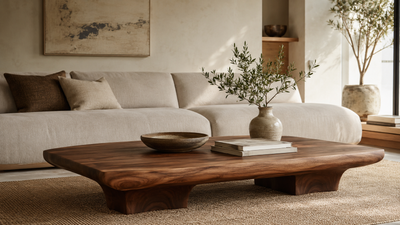
A successful commission begins with clear context, then moves through proportion, material, approval, craftsmanship, and final placement.
Room photographs, measurements, architectural constraints, and intended placement give the project a real starting point.
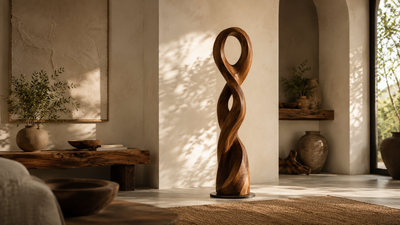
Clarify purpose, scale, approximate dimensions, desired material character, and how the furniture should relate to the room.
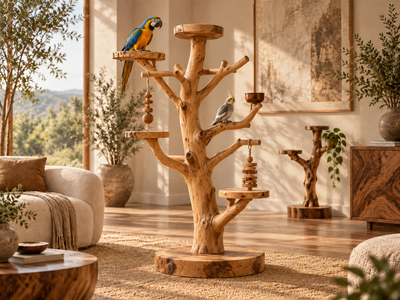
Wood, finish, proportions, edge treatment, design details, and project requirements are refined before production begins.
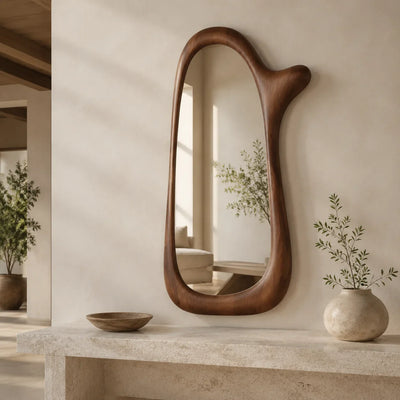
Once scope and design are approved, the piece moves through craftsmanship, finishing, delivery, and final placement.
Step 01
Start with the room, not a furniture sketch
The most useful first information is often simple: clear photographs of the room, approximate dimensions, the wall or area where the furniture may sit, and any doors, windows, fireplaces, outlets, stairs, or circulation routes that affect placement.
Include both wide room photographs and closer images of important architectural conditions. A photograph that shows only the empty wall may miss the sofa, doorway, ceiling height, or sightline that ultimately determines the correct scale.

Step 02
Define what the furniture needs to do
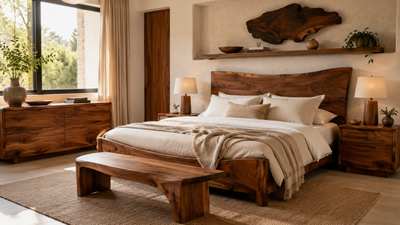
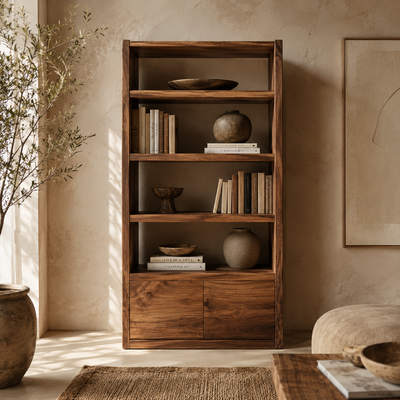
A custom piece should solve a real need before it solves a stylistic preference. A coffee table may need to serve a large sectional. A bookshelf may need to use vertical space without blocking a window. A console may need to remain shallow enough for circulation. A bed may need proportions that fit a specific ceiling or architectural feature.
Describe how you expect to use the furniture, what it needs to hold, which surrounding pieces it should relate to, and whether you want it to remain quiet or become a strong sculptural focal point.
Step 03
Measure for fit, then design for proportion
Custom sizing is not simply about making sure a piece physically fits. The overall height, width, depth, base footprint, clearances, surrounding furniture, and negative space should create a balanced relationship with the architecture.
Measure relevant doors, hallways, stairs, elevators, and other access conditions as well. A piece that fits beautifully in the room still needs a realistic path to reach its final position.

Consultation Checklist
What should you prepare before requesting a custom piece?
Step 04
Choose materials for the design, not from a swatch alone
Wood selection affects more than color. Grain, strength, natural variation, visual weight, edge character, and the type of form being created can all influence which material direction makes sense for a custom piece.
Finish should also be considered in relation to the room and intended use. A natural finish may emphasize grain and warmth, while a deeper finish can create greater contrast or visual gravity. Custom edge treatments, curved forms, carved details, or other accents should support the overall piece rather than become isolated decorative features.

Step 05
Review the design direction and project scope carefully
Before fabrication begins, make sure you understand the dimensions, proportions, material direction, finish, significant design details, expected use, and what is included in the project.
Custom pricing is rarely determined by dimensions alone. Scale, wood selection, design complexity, finish, and delivery or installation requirements can all influence the proposal. The purpose of the quote is therefore to define a clear scope rather than reduce the project to a single material cost.

Before You Approve
Questions worth confirming before production begins
Step 06
Approval turns the design into workshop decisions
Once the project direction is approved, the abstract decisions made during consultation become physical ones: selecting material, establishing components, shaping the form, fitting connections, refining surfaces, and preparing the chosen finish.
With natural timber, craftsmanship also means responding intelligently to the individual wood. Grain direction, knots, color, and local variation can influence how a component is oriented while preserving the approved overall design.

Finishing should complete the material, not disguise it
The final surface treatment affects color, tactile quality, protection, and the way light moves across the grain. It is also one of the last opportunities to check transitions, edges, shelves, surfaces, and other details before the furniture leaves the workshop.

Step 07
Delivery should be considered before the furniture is finished
Large or unusually shaped furniture can create logistical questions that small packaged furniture does not. Location, doorway dimensions, stair turns, elevator access, overall scale, installation needs, and the final placement should be considered as part of the project rather than after fabrication is complete.
Final placement is also where the purpose of custom design becomes visible. The piece should feel proportioned to the room, comfortable in circulation, and connected to the architectural condition that originally justified making something specifically for the space.

Is Custom Necessary?
When does custom furniture actually make sense?
| Situation | Standard Piece | Custom Piece |
|---|---|---|
| Flexible room | Often sufficient | Useful only if a specific design is desired |
| Unusual dimensions | May leave awkward gaps or circulation | Can respond directly to available proportions |
| Distinct architecture | Furniture remains largely independent | Can relate closely to windows, walls, ceilings, or circulation |
| Specific material vision | Limited to available combinations | Allows a more tailored material and finish direction |
| Sculptural focal point | Works when an existing design already suits the room | Useful when scale and form need to be developed around the space |
WRYDECO Perspective
Custom furniture should feel as though it always belonged there
The purpose of bespoke furniture is not to add complexity for its own sake. It is to resolve relationships that standard dimensions or generic forms cannot resolve as well: the height of a wall, the length of a sofa, a narrow circulation path, a specific architectural feature, or the way a natural wooden form should occupy the room.
When those decisions are handled together, the finished piece should not look as though it was forced into the space. It should feel as though the proportions, grain, form, and architecture were meant to meet.
Planning a Coffee Table?
Start by understanding the size your seating area needs
Our solid wood coffee table buying guide explains proportion, height, shape, placement, circulation, wood character, and when a custom size becomes worthwhile.
Read the Coffee Table Buying GuideWRYDECO Custom Design
Begin with your space
Share your room, project direction, dimensions, and ideas. Explore a custom piece shaped around natural wood, considered proportions, and the architecture of your home.
Start Your Custom JourneyFrequently asked questions
What information do I need to order custom wood furniture?
Start with room photographs, basic measurements, intended use, approximate placement, material preferences, and any reference images that help communicate the design direction.
What can be customized on a wood furniture commission?
Depending on the project, customization may include dimensions, wood selection, finish, proportions, custom forms, edge treatment, and other project-specific design details.
How is custom furniture pricing determined?
Pricing can depend on the scale of the piece, wood selection, design complexity, finish, and any delivery or installation requirements. A project-specific quotation defines the confirmed scope.
How long does custom wood furniture take?
Timing varies according to design complexity, material sourcing, handcrafting, finishing, and project logistics. The expected schedule should be confirmed after the project scope has been reviewed.
Should I measure doorways and stairs for custom furniture?
For larger pieces, access conditions can be important. Doorways, stairs, elevators, hallways, location, scale, installation needs, and final placement may all affect delivery planning.
Will a custom solid wood piece look exactly like my reference image?
Natural wood varies in grain, knots, tone, and organic character. Reference images are most useful for communicating the desired direction while allowing the finished timber to retain its individual material qualities.
Final Thoughts
The best custom project begins with clarity, not complexity
You do not need to design the furniture before beginning a consultation. You need to understand the room, the problem the furniture should solve, the approximate scale, and the qualities you want the finished piece to bring into your home.
From there, dimensions, material, proportion, craftsmanship, finishing, and delivery can be developed as parts of one project rather than separate decisions. That is where custom furniture becomes more than furniture made to a different size: it becomes furniture made for a particular place.


