











WRYDECO Journal · Editorial Note
Editorial focus: handcrafted wood furniture & natural-material interiors
· · Published by WRYDECO
Tree bookshelves can look light and organic, but installation is still a structural decision. A wall-mounted design depends directly on the wall and fastening system, while a tall freestanding piece may require anti-tip restraint or anchoring depending on its construction, height, weight distribution, environment, and maker instructions.
This guide explains how to plan a tree bookshelf installation safely without pretending that one fastening method works for every wall. The correct hardware and procedure depend on the specific bookshelf, wall construction, expected load, local conditions, and installation instructions. When those conditions are uncertain, use a qualified installer rather than guessing.
Installation at a Glance
Treat the wall, furniture, and load as one system
Installation should begin before drilling. Confirm the bookshelf type, wall condition, final location, clearances, expected load, and the maker’s instructions first.
Freestanding, wall-mounted, and hybrid designs rely on support differently.
Fastening depends on the actual wall structure, not only the visible surface.
Level, circulation, doors, windows, outlets, and shelf access all affect the final position.
Books and objects add real weight, so installation should account for intended use.

Step 01
Identify how the bookshelf is designed to be supported
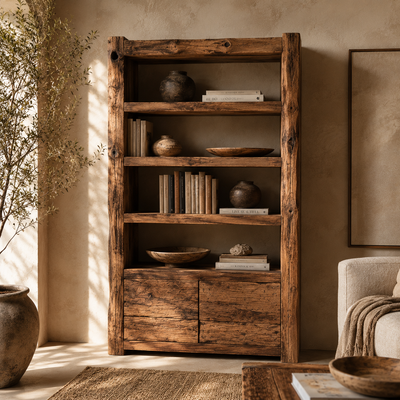
A freestanding tree bookshelf carries more of its own weight through the floor, but that does not automatically mean it should remain completely unattached. Tall furniture can present tip-over risk depending on geometry, loading, use, and environment.
A wall-mounted bookshelf relies more directly on the wall and its fastening system. Hybrid designs may combine a floor-supported trunk or base with wall-fixed branches or shelves. Before installation, understand which parts are structural and which parts are only visual.
Step 02
Understand the actual wall before choosing anchors
The visible wall surface does not tell you everything about what can safely support a bookshelf. Wall construction, framing, masonry, backing, cavities, utilities, and finish layers can all affect the correct fastening method.
Do not assume that a generic anchor is appropriate just because it fits a drilled hole. Use the hardware and installation method specified for the bookshelf and wall condition. If the wall construction is unknown or the piece is large, heavy, or unusually shaped, have the condition assessed before installation.

Step 03
Choose the final position before making holes
Confirm the relationship between the bookshelf and the room before drilling. Check doors, windows, outlets, switches, baseboards, nearby furniture, walking paths, and the maximum projection of branches or shelves.
Also consider how the bookshelf will be used once loaded. A shelf that appears clear when empty may become awkward if books project into a doorway or if an upper branch blocks a window treatment.

Step 04
Use hardware that matches both the furniture and the wall
Fasteners, brackets, anchors, screws, and mounting plates should be selected according to the bookshelf’s construction, wall type, mounting points, and expected load. Substituting hardware without understanding these factors can change how the load is transferred.
Follow the maker’s installation instructions and any applicable local requirements. If the instructions call for professional installation, structural backing, specific fasteners, or a particular mounting sequence, treat those requirements as part of the furniture design rather than optional accessories.
Step 05
Level the bookshelf before final tightening
Organic furniture can make misalignment harder to notice at first because the silhouette is intentionally irregular. Use a level and reference points that are actually intended to be horizontal or vertical, such as shelf surfaces, mounting rails, or the designated trunk alignment.
Tighten and secure the system in the sequence recommended for the piece. Recheck shelf level and overall position after the main fasteners are engaged, because the furniture may settle slightly as connections are tightened.

Step 06
Think about the bookshelf after books are added
An empty bookshelf and a loaded bookshelf are not the same condition. Books, ceramics, plants, and other objects add weight and can change the way loads are distributed across shelves and branches.
Respect stated shelf capacities and loading guidance. Distribute weight sensibly, keep especially heavy or unstable objects out of inappropriate high positions, and avoid using decorative styling to exceed the furniture’s intended function.
Step 07
Complete a final stability and clearance check before use
Before loading the bookshelf fully, recheck fasteners, anchors, brackets, anti-tip restraints, contact points, shelf level, and any movement that was not expected. Confirm that the bookshelf does not interfere with doors, windows, switches, or normal circulation.
Reinspect the installation after the bookshelf has been loaded and used. If any connection loosens, the wall changes, the furniture moves unexpectedly, or the installation condition becomes uncertain, stop loading the piece and correct the issue before continued use.

WRYDECO Perspective
Organic form does not remove the need for believable structure
At WRYDECO, the most convincing tree bookshelf is one where the branch form and the support logic feel connected. A shelf should not appear to float only because the styling is organic. Mounting points, joinery, wall relationship, and load should make sense together.
Good installation is visually quiet. When it is done well, the bookshelf feels naturally integrated into the room because the structural decisions have already been resolved.

Related Guides
Which bookshelf type are you installing?
Compare freestanding, wall-mounted, and corner tree bookshelves before choosing the installation approach.
Compare Tree Bookshelf TypesNeed to confirm the right scale first?
Review height, width, depth, shelf spacing, and room placement before committing to mounting points.
Read the Tree Bookshelf Size GuideExplore WRYDECO
Choose a bookshelf that belongs in the room
Explore handcrafted tree bookshelves designed around natural wood, practical support, room proportion, and a clear relationship with the architecture.
Explore Modern BookshelvesFrequently asked questions
Does a freestanding tree bookshelf need to be anchored?
It depends on the specific design, height, weight distribution, environment, loading, and maker instructions. Tall furniture may require appropriate anti-tip restraint or anchoring.
Can I mount a tree bookshelf on any wall?
Not necessarily. The correct installation depends on wall construction, the bookshelf design, mounting points, hardware, and expected load.
What should I check before drilling into the wall?
Confirm the final position, wall condition, utilities, mounting requirements, clearances, and the installation instructions for the specific bookshelf.
Should I load the bookshelf immediately after installation?
Complete the final stability, level, fastener, and clearance checks first, then load the piece according to the maker’s guidance.
When should I use a professional installer?
Use a qualified installer when wall construction is uncertain, the bookshelf is large or heavy, the mounting system is complex, or the maker requires professional installation.
Final Thoughts
Installation should be planned as carefully as the bookshelf itself
A tree bookshelf may look organic, but the installation still needs clear support logic. Start with the bookshelf type, understand the wall, confirm placement, use the correct hardware, check level, respect load limits, and complete a final stability review before normal use.
When the installation is resolved properly, the hardware becomes visually quiet and the natural wood can do what it was designed to do: feel integrated with the architecture rather than temporarily attached to it.


