








WRYDECO Journal · Editorial Note
Editorial focus: handcrafted wood furniture & natural-material interiors
· · Published by WRYDECO
Solid wood furniture is made from a natural material that continues to respond to its environment long after the piece enters your home. Light, moisture, heat, everyday use, and cleaning habits can all influence how the surface looks and ages.
Learning how to care for solid wood furniture at home does not require an elaborate maintenance routine. The most important habits are simple: clean gently, deal with spills promptly, avoid extreme environmental conditions, protect the surface from unnecessary damage, and follow the care instructions appropriate to the specific finish.
Care at a Glance
Four habits that protect solid wood
A simple routine is usually more useful than frequent treatment with unnecessary products.
Remove dust with a soft cloth and avoid aggressive cleaners unless they are suitable for the finish.
Blot moisture instead of letting liquids remain on the surface or collect around joints and edges.
Reasonably stable indoor conditions are preferable to repeated strong swings in heat, moisture, or direct sunlight.
Use coasters, pads, and sensible placement before adding oils, waxes, or products that may not suit the existing finish.
Start by understanding that solid wood is a natural material
Solid wood is not visually static. Grain, knots, tonal variation, and subtle changes over time are part of the material rather than defects that need to be corrected.
Wood also responds to environmental conditions. Sensible care therefore focuses less on making the piece permanently unchanged and more on protecting it from unnecessary extremes and damage.

How to clean solid wood furniture
For routine care, begin with the least aggressive method. A clean, soft, dry cloth is often enough for ordinary dust. If additional cleaning is necessary, use a lightly dampened soft cloth only when appropriate for the furniture's finish, then avoid leaving unnecessary moisture on the surface.
Avoid assuming that a general household cleaner is safe simply because it works on other surfaces. Different oils, waxes, lacquers, and protective finishes can respond differently to cleaning products.

What to do when something spills
The safest general habit is to respond promptly. Blot or lift liquid from the surface rather than spreading it across a larger area, and do not allow moisture to sit unnecessarily around seams, joints, edges, or natural recesses.
If a mark remains, avoid immediately reaching for strong chemicals or aggressive abrasion. The appropriate treatment depends on both the substance and the existing finish.

Humidity matters because natural wood responds to its environment
Natural wood exchanges moisture with the surrounding air. For that reason, repeated large environmental swings can place more stress on furniture than reasonably stable indoor conditions.
Seasonal changes are normal, but it is sensible to avoid extreme dryness, persistent dampness, or abrupt changes wherever practical. This is especially relevant in homes with strong heating, air conditioning, or significant seasonal climate variation.
Protect wood from concentrated heat and harsh exposure
Placement is part of furniture care. Long periods of intense direct sunlight can affect surface appearance over time, while concentrated heat can create unnecessarily harsh conditions around natural wood.
Avoid placing valuable furniture immediately against strong heat sources when another location is available. Around large windows, curtains, shades, or thoughtful furniture placement can help manage intense exposure while still allowing the room to benefit from natural light.

Everyday surface protection is often the simplest protection
Coasters, felt pads, trivets, placemats, and careful object handling can prevent many avoidable marks before maintenance products are ever needed.
Avoid dragging hard or abrasive objects across finished surfaces. If decorative objects remain in one place for long periods, occasionally checking beneath them can help reveal trapped moisture, grit, or other issues before they become more noticeable.

Long-term care does not mean keeping wood visually frozen
Natural materials develop character through time and use. Subtle tonal changes, gentle surface evolution, and signs of careful everyday living do not automatically mean the furniture has been poorly maintained.
What matters is distinguishing normal aging from damage that requires attention. If the surface finish needs renewal or repair, the correct approach depends on how the piece was originally finished. When uncertain, consult the maker or a qualified furniture-care professional rather than applying multiple treatments experimentally.
Care Checklist
Common solid wood care mistakes to avoid
WRYDECO Perspective
Care for the material without erasing its life
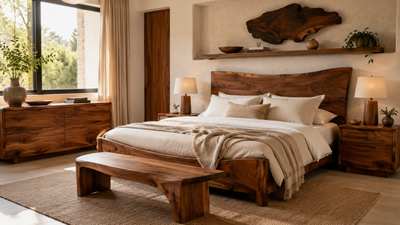
We value natural wood partly because it does not feel perfectly manufactured or visually static. Grain, subtle tonal variation, and the way a surface matures are part of what gives handcrafted furniture its individuality.
Good maintenance should protect function and surface quality without turning care into an attempt to prevent every trace of time. The aim is furniture that ages well, not furniture that never appears to have been lived with.

Behind the Craft
See what happens before the furniture enters your home
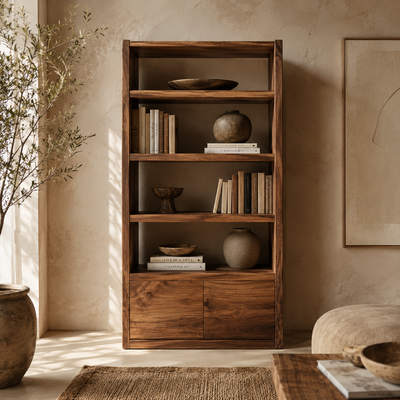
Explore how natural wood is selected, shaped, joined, sanded, finished, and assembled in our guide to making a tree branch bookshelf.
Explore the Making ProcessExplore WRYDECO
Choose furniture worth caring for
Explore handcrafted wooden pieces designed around natural grain, sculptural form, material character, and a life measured in years rather than trends.
Explore Signature PiecesFrequently asked questions
What is the safest way to clean solid wood furniture?
Start with a clean, soft cloth and the least aggressive method necessary. Any additional cleaning should be compatible with the specific finish on the furniture.
What should I do if water spills on wood furniture?
Respond promptly by blotting the moisture with a soft absorbent cloth and avoid spreading the liquid across a larger area.
Does humidity affect solid wood furniture?
Yes. Natural wood responds to moisture in the surrounding air, which is why reasonably stable indoor conditions are preferable to repeated extreme changes.
Should I oil solid wood furniture regularly?
Not automatically. Whether oil, wax, or another treatment is appropriate depends on the existing finish. Follow the maker's care instructions before adding a maintenance product.
Can sunlight change the color of wood furniture?
Wood and finishes can change in appearance over time with light exposure. Thoughtful placement and managing intense direct sunlight can help reduce uneven exposure.
Final Thoughts
Protect the wood, but allow it to remain wood
Solid wood furniture does not need complicated daily maintenance. Gentle cleaning, quick attention to spills, sensible surface protection, and reasonably stable environmental conditions do most of the important work.
Care for the finish, respect the material, and allow natural grain and subtle aging to remain part of the piece rather than treating every change as something that must be erased.


