
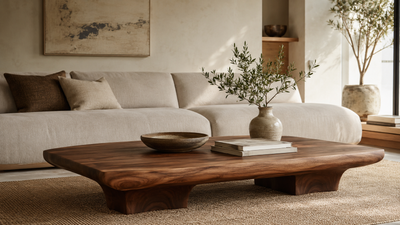
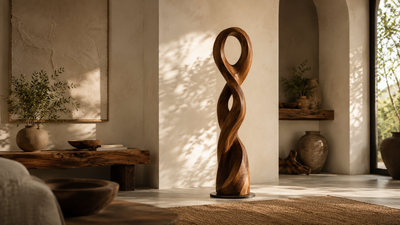



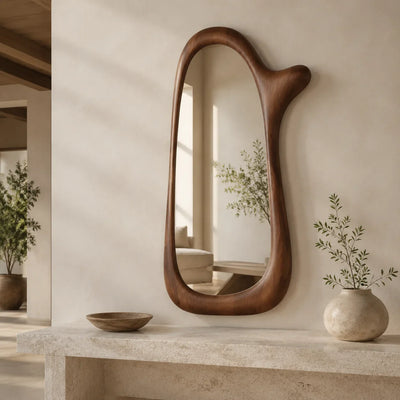
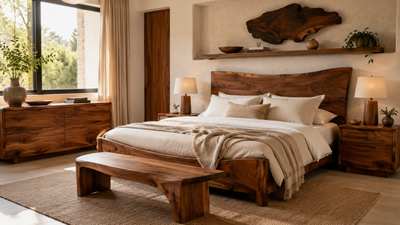




A coffee table sits at the center of a seating arrangement, so scale and circulation matter as much as appearance. Begin with the sofa and available floor area, then compare table height, top dimensions, base footprint and shape. Sculptural designs need additional visual space so their form does not feel compressed by surrounding furniture.
Use this solid wood coffee table buying guide to move from inspiration to a practical room decision. The goal is not to copy a gallery image exactly. It is to choose a piece that fits your sofa, supports the way you use the living room, and leaves the seating area feeling intentional from every angle.
Quick takeaway: Measure the seating area, check the coffee table height against your sofa, compare both the top and base footprint, and verify the exact Wrydeco product dimensions before ordering. If a standard size is close but not perfect, Wrydeco can discuss custom sizing through the Consultation form.
Measure the Seating Area
Start with the space the table needs to serve: the sofa, accent chairs, rug, walking path, and any route people use to enter or leave the seating group. A sculptural coffee table can look smaller in a product image than it feels in a real room because the shape has visual weight as well as physical dimensions.

What to check
- Measure the sofa length, rug area, and clear floor zone before choosing a table.
- Mark the proposed tabletop area on the floor so the scale can be felt from standing and seated positions.
- Keep the normal route around the seating group usable, especially near doorways, media consoles, and accent chairs.
Match Table Height to the Sofa
Table height affects how natural the piece feels when someone reaches for a book, drink, remote, or tray. Instead of relying on a single rule, compare the listed table height with your sofa seat height, cushion softness, and the way the table will be used day to day.

What to check
- Compare the listed product height with the sofa seat and arm height.
- Consider whether the table will mainly hold decor, drinks, books, trays, or daily living-room items.
- Account for thick sculptural tops, since visual thickness can make a table feel lower or heavier in the room.
Choose a Shape for the Traffic Path
The best shape depends on how people move through the room. Rounded, oval, and organic forms can soften a compact seating area, while longer shapes may work better with broad sofas. What matters is whether the final dimensions preserve an easy path around the table.

What to check
- Use curved or organic forms when corners would make a tight path feel sharper.
- Use longer forms when the sofa is broad and the table needs to visually anchor the full seating area.
- Check nearby chair legs, ottomans, sliding doors, media consoles, and walk-through routes before finalizing the shape.
Compare Top and Base Footprints
A sculptural coffee table is not only a tabletop. The base, root form, pedestal, or carved support may affect leg space, vacuum access, rug placement, and visual balance. Compare both the top dimensions and the base footprint before ordering.

Current Wrydeco coffee table listings include compact options such as 26"W x 17"D x 16"H and 29"W x 19"D x 16"H on select organic wave and curved designs, plus larger live-edge or root-style options and custom sizing on eligible products. Always confirm the exact size shown on the product page you are considering, because dimensions and options can vary by design.
| Wrydeco example | Useful comparison point |
|---|---|
| Organic wave and curved coffee tables | Compare compact listed sizes, rounded edges, low profile, wood tone, and the way the curved top sits with your sofa. |
| Live edge and root-style coffee tables | Compare larger width options, organic base shape, visual weight, rug placement, and room circulation before ordering. |
| Custom coffee table sizing | Use the Consultation form when the room needs a size, finish, or proportion that is not covered by the listed options. |
What to check
- Measure the top dimensions and the base footprint separately.
- Check whether the base shape affects leg position, cleaning access, or the way the table sits on a rug.
- Confirm the exact product dimensions, finish option, and custom-size details with Wrydeco before production.
Select Wood Tone and Finish
Wood tone changes with room lighting, nearby flooring, fabric color, and the finish selected. Rather than treating a product photo as a fixed color promise, compare the grain character and finish direction with the room where the table will actually live.

What to check
- Compare warm, natural, darker, and custom finish directions against flooring and upholstery.
- Expect natural wood grain and character to vary from piece to piece unless a product page states otherwise.
- Use the care guide to understand daily protection before placing drinks, trays, books, or decor on a solid wood surface.
Explore Wrydeco
Find a solid wood coffee table proportioned for your room
Compare size, shape, wood tone, finish options, and custom sizing before choosing the table that anchors your seating area.
Explore Coffee TablesFrequently Asked Questions
What size coffee table works with a sofa?
Start with the sofa length, the clear floor zone, and the way people move through the seating area. Then compare those measurements with the exact Wrydeco product dimensions and any custom-size option before ordering.
Should a coffee table be lower than the sofa seat?
It should feel comfortable for the way the seating area is used. Compare the listed table height with your sofa seat height, cushion softness, and everyday use before choosing a final size.
Are round coffee tables better for small rooms?
Round and organic shapes can make movement feel easier in compact rooms, but the final choice still depends on the actual top dimensions, base footprint, and available walking path.


